A lot of homes around here are rentals: about 45% in Morganton and 36% in Lenoir, by Census estimates. When a tenant moves out, North Carolina law sets a few jobs for the landlord and a deadline for settling the deposit. This is a summary of those statutes, linked at the bottom. It is not legal advice.
Alarms come first
- Smoke alarms. The landlord must make sure each one works and is in good repair at the beginning of each tenancy. Unless the lease says otherwise, the landlord also puts new batteries in battery-operated alarms at that point. G.S. 42-42(a)(5).
- Replacing a smoke alarm. A new or replacement alarm installed after December 31, 2012 has to be a tamper-resistant model with a 10-year lithium battery. Units with a hardwired alarm and battery backup, or a combined smoke and carbon monoxide alarm that meets the statute, are excepted. G.S. 42-42(a)(5a).
- Carbon monoxide alarms. At least one working alarm per unit per level, checked at the start of each tenancy, with new batteries unless the lease says otherwise. This applies to units with a fossil-fuel burning heater, appliance or fireplace, and to any unit with an attached garage. G.S. 42-42(a)(7).
- During the tenancy. After written notice from the tenant, the landlord has 15 days to repair or replace a smoke or carbon monoxide alarm.
Fit and habitable
The broad duty is in G.S. 42-42(a)(2): "Make all repairs and do whatever is necessary to put and keep the premises in a fit and habitable condition." Subsection (a)(4) adds that the electrical, plumbing, heating, air conditioning and other systems and appliances the landlord supplies must be kept in good and safe working order.
Subsection (a)(8) lists the conditions the law calls imminently dangerous, which must be fixed within a reasonable time once the landlord knows of them. An empty unit is the easiest place to check for each one:
- Unsafe wiring
- Unsafe flooring or steps
- Unsafe ceilings or roofs
- Unsafe chimneys or flues
- No potable water
- A door to the outside without a working lock
- Broken windows, or ground-level windows without working locks
- Heat that can't hold living areas at 65 degrees when it is 20 degrees outside, from November 1 through March 31
- No working toilet
- No working bathtub or shower
- Rats getting in through defects in the structure
- Standing water, sewage or flooding from plumbing leaks or poor drainage that leads to mosquitoes or mold
The deposit deadline
G.S. 42-52 gives the landlord 30 days after the tenancy ends and the keys come back to itemize any damage in writing and send it to the tenant with the balance of the deposit. If the full claim can't be worked out in 30 days, an interim accounting is due by then and a final one within 60 days.
The same section says a landlord may not withhold for "conditions that are due to normal wear and tear," or keep more than the actual damages. G.S. 42-51 lists what a deposit may cover, and that list includes damage to smoke and carbon monoxide alarms.
While the unit is empty
- Doors and windows. Lock and unlock every outside door and every ground-level window.
- Floors and steps. Walk every room and every stair, looking for soft spots, loose boards and torn carpet.
- Plumbing. Run each tap, flush each toilet, fill and drain the tub, and look under the sinks for leaks.
- Heat. Run it, whatever the season.
- Alarms. Test every one and note the date on any you replace.
- Outside. Check the gutters, the deck boards and railings, and the yard.
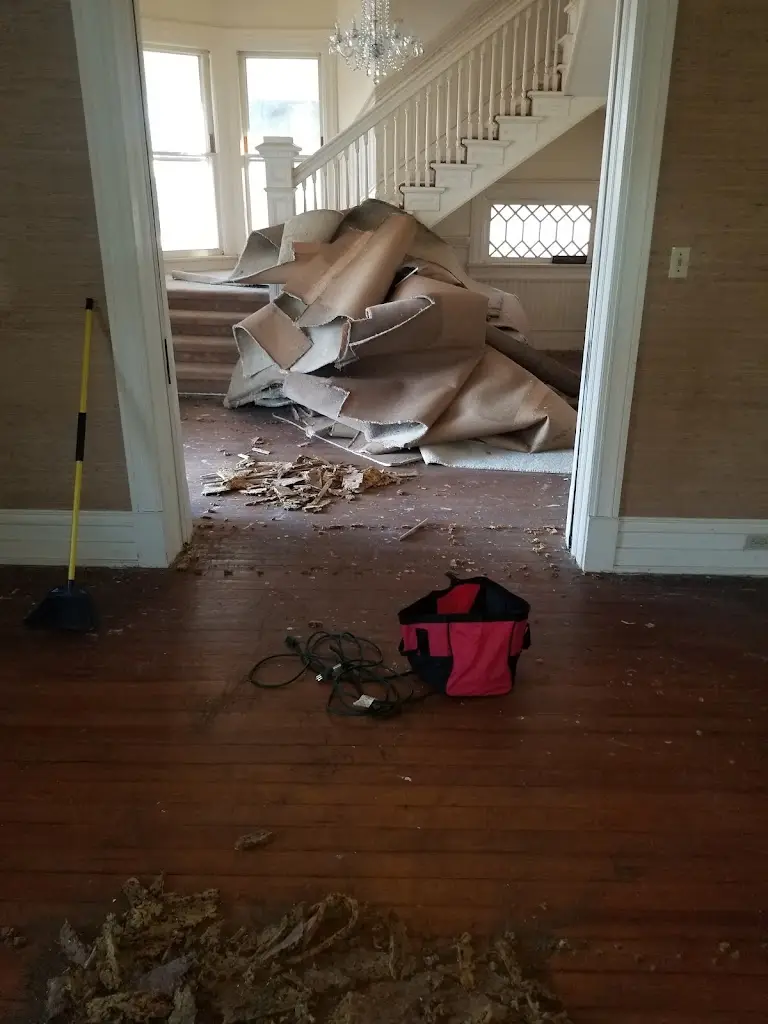
Ken does maintenance and turnovers for landlords, property managers and rental owners. For one owner who couldn't get to a rental house, he handled the yard and sent photos when the job was done. Ask for a free estimate on a turnover.